Representative Missions: Boats Aground, Night Helo Training, Weather Challenges, Late-Tide Recoveries
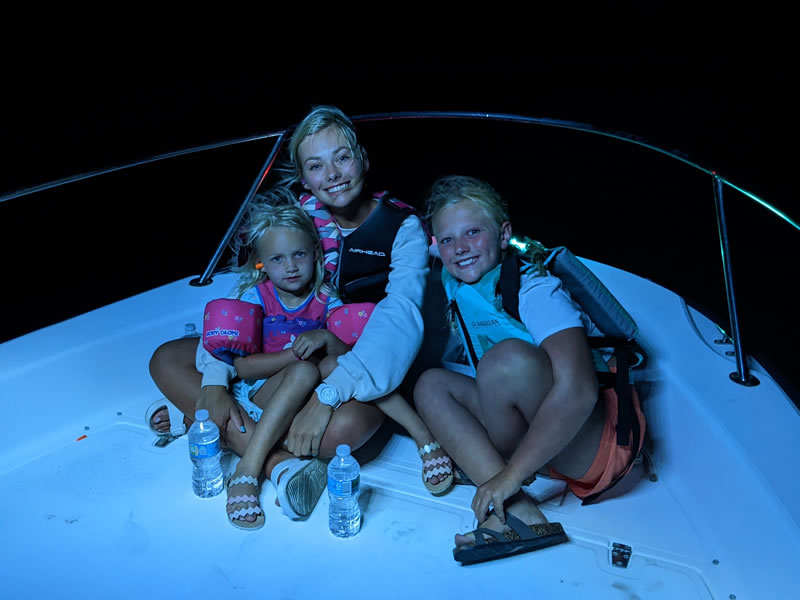
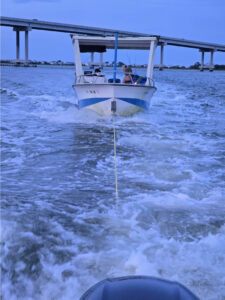
Operating after dark adds layers of complexity to every rescue mission, demanding heightened vigilance, teamwork, and precise communication. The FISR night crews have responded to vessels aground, stranded boaters, and ongoing training scenarios where conditions rapidly shift with the tides. In one such operation, the crew of R2 responded after midnight to assist a grounded Sportsman 23 center console in Skull Creek. With low tide approaching and the vessel stranded high on a bar, the FISR team safely transported two passengers and two dogs to Fripp Marina, ensuring everyone’s wellbeing before returning the crew to their dock to prepare for the next mission.
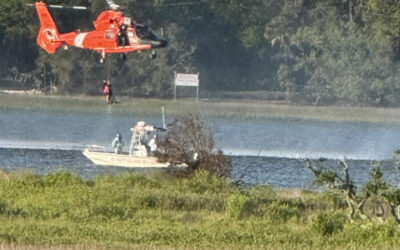
Night operations also include joint helo training exercises conducted in partnership with the U.S. Coast Guard and local agencies. These sessions replicate real-world scenarios involving low visibility, fast-moving weather fronts, and the need for synchronized communication across air and sea units. When lightning flashes across the horizon or wind gusts pick up unexpectedly, the professionalism and steady leadership of FISR’s night crews ensure that every mission, whether a training exercise or a real emergency, is executed with safety as the top priority.
FISR’s ability to perform in challenging nocturnal conditions reinforces the organization’s readiness to respond at any hour. Through disciplined training and teamwork, the volunteers exemplify courage and calm during uncertainty. Their work under darkness underscores the reliability, integrity, and community-centered spirit that define FISR’s mission of service.
These nighttime missions illustrate the heart of volunteerism and the unshakable reliability that FISR brings to every response, regardless of the hour.